
The Local Voices B2B Campaign: Why I Put Stockists at the Centre of Bradley’s Story
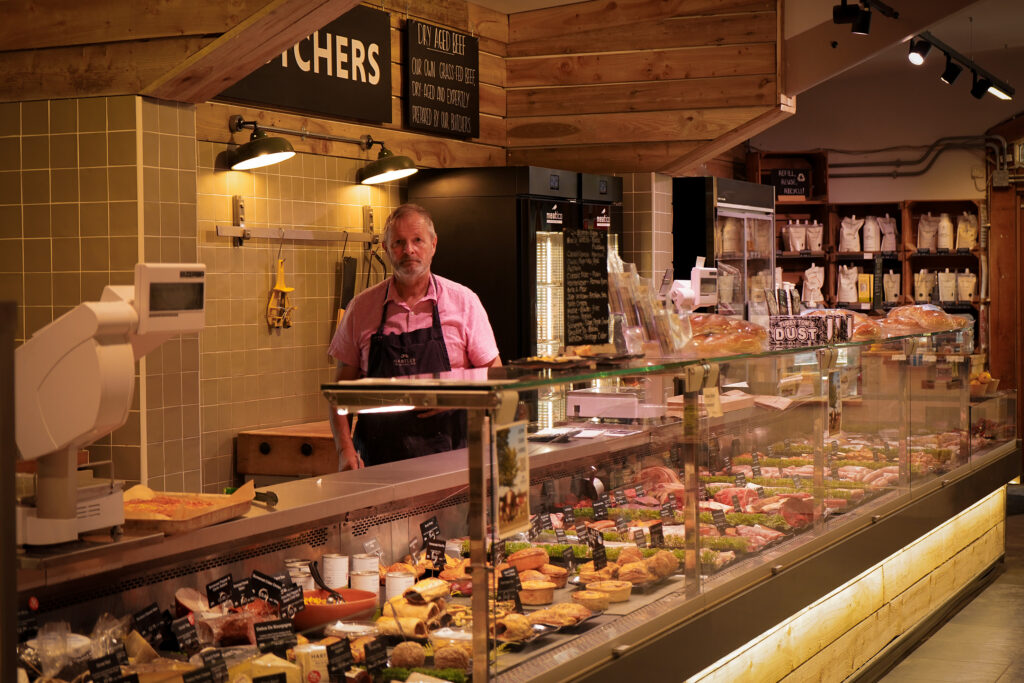
When a farm shop chooses a drinks supplier, it is making a decision about what belongs on its shelves and what it is prepared to recommend to its customers.
Price, margin and reliable supply all matter. So does the question underneath them: does this brand fit the business we are trying to build?
That was the question I wanted to help answer when I developed The Local Voices for Bradley’s Juice.
The campaign brings together farm shops, cafés and independent food businesses through filmed conversations about provenance, food quality and the value of shopping locally. Bradley’s connects those conversations by giving its stockists a platform to share their knowledge and the thinking behind their businesses.
My thinking was simple: help prospective stockists understand Bradley’s through the people who have already chosen it. Give those people something meaningful to talk about, and the campaign can serve the featured business, the viewer and Bradley’s at the same time.
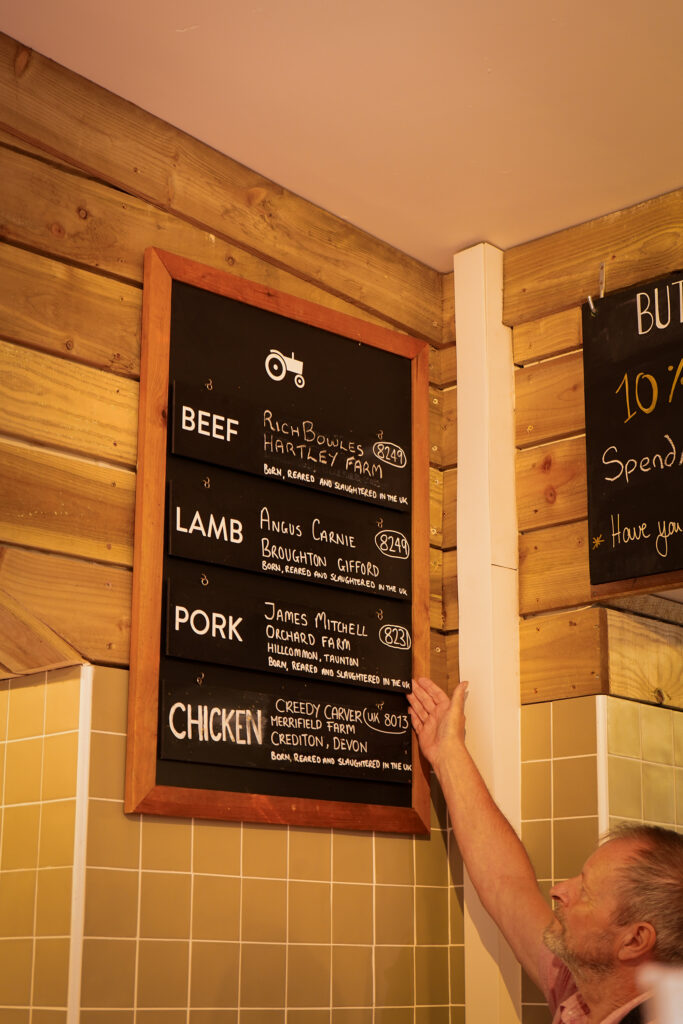
The idea began with a gap in how we explain local produce
I wanted to explore something I kept returning to: we are becoming disconnected from where our food comes from, how it is produced and the people behind it.
“Shop local” is a familiar message, but on its own it asks people to support something without necessarily explaining its value. If someone sees a similar-looking product at a lower price elsewhere, what gives them a reason to choose differently?
The Local Voices was an opportunity to make that value visible.
In my interview with Rob Hagen, M.D. at Brockley Stores, we explored the economic impact of buying from an independent local business. Rob described a business employing more than 25 local people and reinvesting tens of thousands of pounds each month into its people and community.
That gives the viewer something concrete to understand. Their purchase helps sustain a business connected to local jobs, suppliers and the character of the place they live.
This also gave Bradley’s a relevant conversation to participate in. Its stockists could explain the standards and relationships that matter to them, then show where Bradley’s fits within those choices.
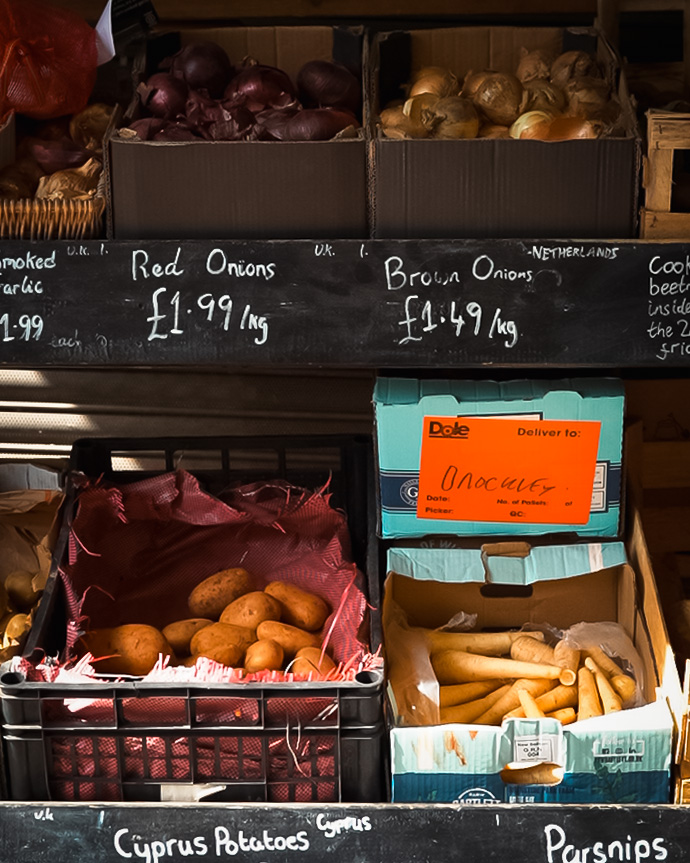
I chose participants who could help future stockists recognise themselves
The choice of interviewee is part of the strategy.
I wanted to feature the kinds of independent businesses Bradley’s wants to build more relationships with. A farm shop owner should be able to watch another farm shop and recognise familiar priorities: selecting produce carefully, explaining its value and maintaining customers’ trust.
That recognition makes a recommendation more useful. A prospective stockist can consider another owner’s experience in the context of their own business.
The series has included Brockley Stores, Hartley Farm and The Mump. Each gives us a different setting and perspective while keeping the central conversation consistent.
At Hartley Farm, the conversation with Tom Bowles offered a way to explore food provenance and the connection between farming, food and community. At The Mump, asking Jack why he chose Bradley’s brought the discussion directly to supplier selection.
I see those as complementary roles within the same campaign: explaining the values behind independent food businesses, then showing how those values influence a buying decision.
The evidence has to remain specific. A stockist explaining why they like a drink helps demonstrate fit and confidence in the product. Claims about increased sales or profitability would require a different level of evidence.
Every interview question has a job to do
For each collaboration, we typically spend around half a day filming, asking a key person in the business four to six questions. The finished film is usually one to two minutes long, combining the interview with footage of the place, people and produce.
Most of the questions focus on the featured business. I want to understand its philosophy, where its produce comes from and what its team wishes more customers understood.
That balance matters. The audience needs a reason to watch, and the business needs room to say something worth hearing.
Within the conversation, I include a connecting question: why did they choose to work with Bradley’s? This allows the interviewee to explain the product or service in their own terms, after the viewer has already heard what matters to them.
The order gives the answer context. If someone has explained how carefully they select suppliers, their reasons for choosing Bradley’s become more meaningful.
I finish with the same question:
“If you could encourage people to make one simple change in their shopping routines to incorporate more local produce, what would it be?”
It gives the viewer something practical to take away. It also keeps the campaign grounded in its original purpose: helping people feel more connected to the food they buy.
The footage is edited in Adobe Premiere Pro, but the most consequential decisions happen before editing begins: who we speak to, what we ask and which idea we want the audience to understand.
Why this approach works as B2B marketing
The Local Voices is designed to address several different barriers to a trade relationship.
It makes Bradley’s relevance easier to judge. A product photograph can show what a drink looks like. Seeing it within an independent business, alongside the owner’s explanation, gives a prospective stockist more context for deciding whether it belongs in their own range.
It gives recommendations an identifiable source. Viewers can see who is speaking, where they work and why their opinion is relevant. That makes the recommendation something they can assess, rather than a general claim about being a trusted supplier.
It creates a useful exchange with existing stockists. Bradley’s provides attention and content that also tells the stockist’s story. My intention is for participation to feel like an investment in the relationship, with value extending beyond the interview itself.
It gives collaborators a reason to share. A film that explains a business’s own values can be relevant to its customers too. Sharing can introduce Bradley’s to another audience through an existing relationship. That creates an opportunity for discovery, although reaching more people does not automatically mean reaching more trade buyers.
There is also a deliberate connection between the consumer and trade audiences. A shopper might take away a better understanding of local produce. A retailer watching the same conversation might recognise the kind of supplier relationship they want.
For me, that is what makes the campaign interesting: the consumer-facing story helps explain the commercial fit.
Neil Patel’s B2B marketing guide emphasises understanding the buyer, using useful content to build trust before a sales conversation, and supporting different stages of the buying journey. The Local Voices is my application of those principles to independent food and drink businesses: choose relevant peers, explore their decisions and make their experience available to prospective stockists.
The video needs a role beyond the social feed
I planned The Local Voices as a series spanning six to twelve months because there is more to explore than one testimonial can cover.
Different businesses bring different reasons for choosing Bradley’s. Over time, the intention is to build a collection of examples that helps a wider range of trade prospects find a story relevant to them.
The initial reel is one use of the material. In August, for example, the Hartley Farm collaboration produced both a reel and a social carousel, while The Mump collaboration produced a reel.
My wider strategy is to carry those conversations into the points where prospective stockists are actively considering Bradley’s. Website case studies can give the interview more depth. A relevant video on the trade page can put a stockist’s explanation beside the information a buyer needs. A digital trade brochure can link to the film, allowing someone to explore the relationship behind the product range.
I would also use an appropriate example in trade follow-up emails. A farm shop considering an account has a reason to hear from a similar business about why Bradley’s fits its offering.
Each placement needs to help the next decision. Someone still exploring could download a trade brochure. Someone ready to discuss stocking the range needs a clear route to an enquiry or trade application.
The practical details still have to be easy to find: prices, case sizes, delivery arrangements and how to order. The story helps establish interest and fit; that information allows a buyer to assess the commercial proposition.
What success should look like
I judge the strategic value of The Local Voices by the work it can do across those decisions. Demonstrating its commercial impact requires measurement.
The campaign has produced stockist interviews and reusable content. I am not presenting it here as a quantified sales-growth case study; I do not yet have verified figures linking it to additional trade accounts or revenue.
For a campaign like this, I would follow three levels of evidence:
- Relevant attention: whether the content attracts engagement from the kinds of businesses Bradley’s wants to work with.
- Progress towards an enquiry: visits to the trade page, brochure downloads and prospects mentioning a particular stockist or film.
- Commercial outcomes: qualified enquiries becoming active accounts, followed by first orders and repeat orders.
Tracked links and notes from trade conversations can help connect the stages. I would also ask prospects what helped them decide to get in touch, because a film may influence a decision before someone returns through another channel.
The distinction matters. A reel can be well received without creating a new stockist. Equally, a film with modest reach may be useful in a small number of valuable trade conversations.
What I want food & drink businesses to take from this
Before commissioning another piece of content, I would ask: what does a prospective customer need to understand or believe before they feel confident choosing us?
For Bradley’s, I wanted to make the relationship between its drinks, its stockists and their shared values easier to see. That shaped the participants, questions, filming and intended use of the material.
The most valuable part of a customer story is often the explanation behind the recommendation. What did that business care about? What did it look for? Why did this supplier fit?
Those answers give future customers something useful to consider. They also reveal the thinking and relationships behind a brand in a way it would be difficult to communicate through product posts alone.
If you run an independent food, drink or hospitality business and want your content to play a clearer role in attracting the right customers, I can help you turn those stories into a considered marketing strategy.

