
How To Use Social Media As A Luxury Restaurant
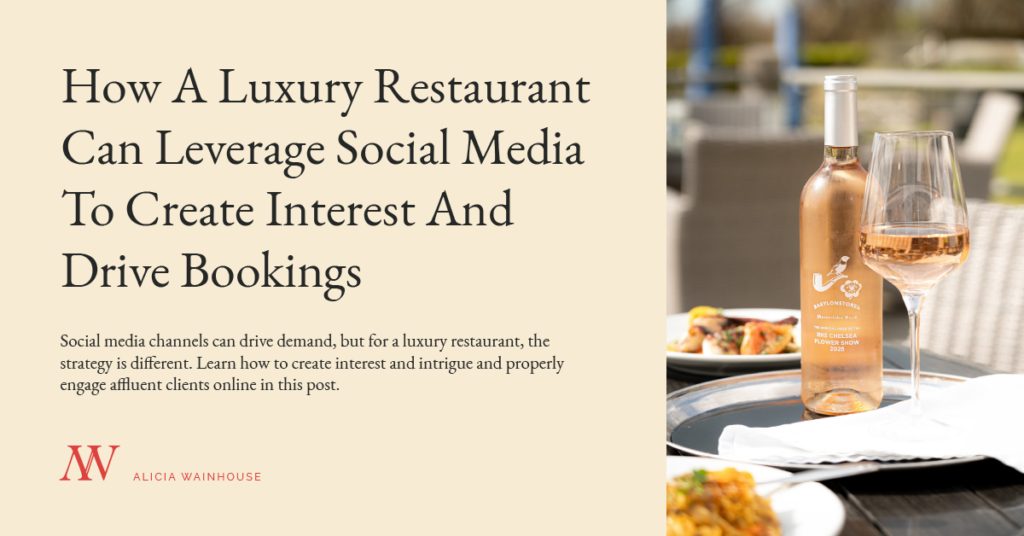
Luxury restaurants don’t use social media in the same way that other dining establishments do. It’s not about virality or volume, but rather aspiration, exclusivity and impeccable presentation.
A luxury restaurants social media elevates by offering future and current guests a window into their world. Their profiles are a curated set of breathtaking imagery, bespoke dining experiences and refined storytelling. High-quality guests are not motivated by seasonal promotions or discounts – your feed should blend strategy and psychology so that guests are motivated through the feeling of aspiration. Let’s talk about what social media marketing for a luxury restaurant entails.
Define A Cohesive Visual Identity
Social media for luxury restaurants is, in part, about impeccable presentation. It quietly signals quality and attention to detail which one can only imagine translates into a restaurants gastronomic offering. That’s why every photo, video and graphic should align with your restaurants distinct and recognisable aesthetic. People look at tens of images and videos on social media daily and you only have a fraction of a second to get people to notice and remember you, that’s why a distinct aesthetic is crucial: people can see your photos and graphics and in an instant know it’s you.
Start by understanding your restaurants truth. Who are the type of people that are drawn to your core offering? Then, think about what styles resonate with them – are they the low-lit, casual elegance type or do they prefer something more opulent? Understanding who your best customers are means that the experience you deliver, whether online or off, speaks directly to them and feels meant to be.
Details such as your colour palette and typography on social media (and your other online channels) should be a digital version of your restaurant. If your restaurant is bright and airy, your social media page should feel the same way and vice versa.
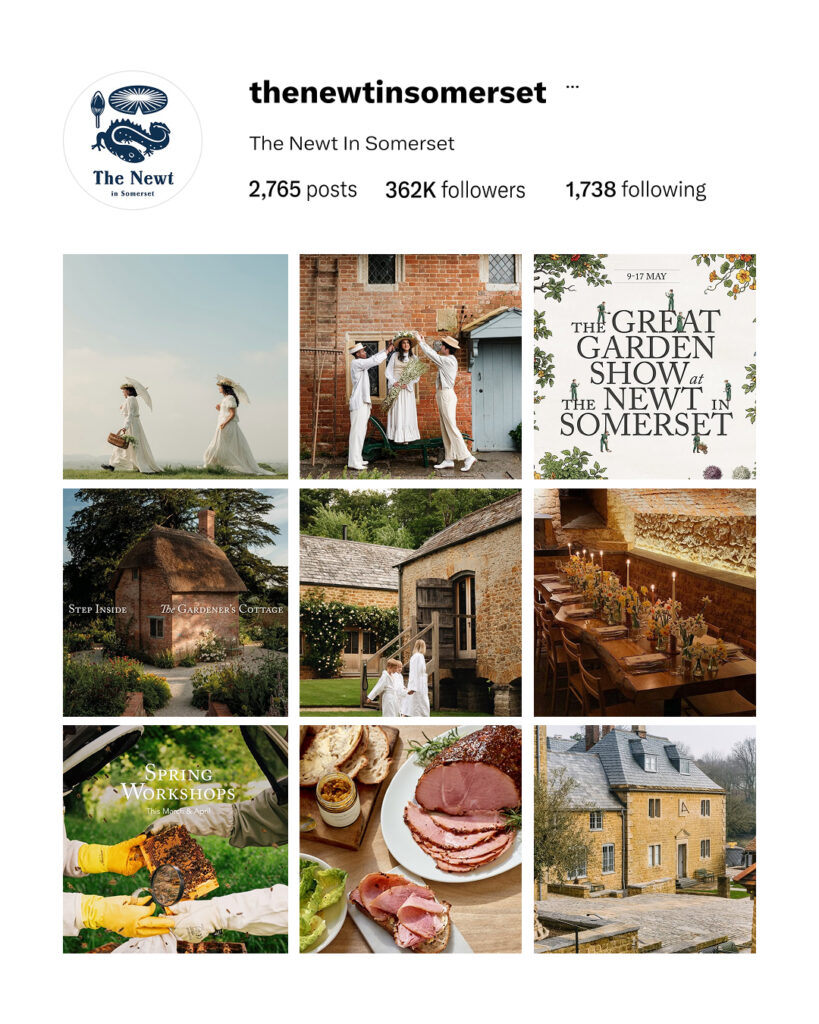
Let’s take The Newt in Somerset as an example. Their Instagram feed isn’t crammed with promotional posts or discounts. Instead, it’s a curated gallery of breath-taking photography, bespoke dining experiences and refined storytelling. Every image is rooted in their natural world; stone, wood and linen as props; natural light used to evoke a sense of nostalgia and stillness; an overall effect that feels less like marketing and more like memory.
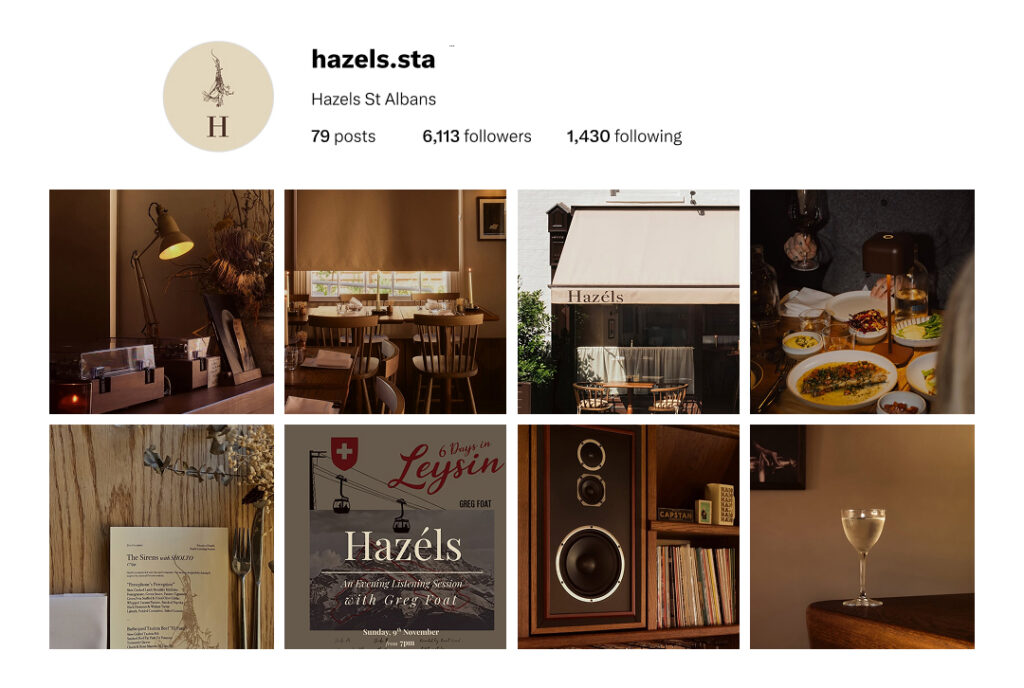
Hazels in St Albans takes a different but equally deliberate approach. A music-led neighbourhood restaurant and wine bar, their aesthetic is jazz-inspired – moody, candlelit, with natural materials and a warm hue threading through every image. Completely different world from The Newt, but the same underlying principle: every image feels unmistakably theirs.
Once you’ve defined your aesthetic, document it in a brand guideline. This guideline covers your colour scheme, typography, voice and personality and gives your social media team and any contractors the constraints they need to produce consistent work. Without them, each post can drift slightly leading to confusion among your audience.
If you haven’t yet created brand guidelines for your restaurant, or your current ones need updating, take a look at my guide on How To Create A Memorable Brand, which walks through the process step by step.
Storytelling
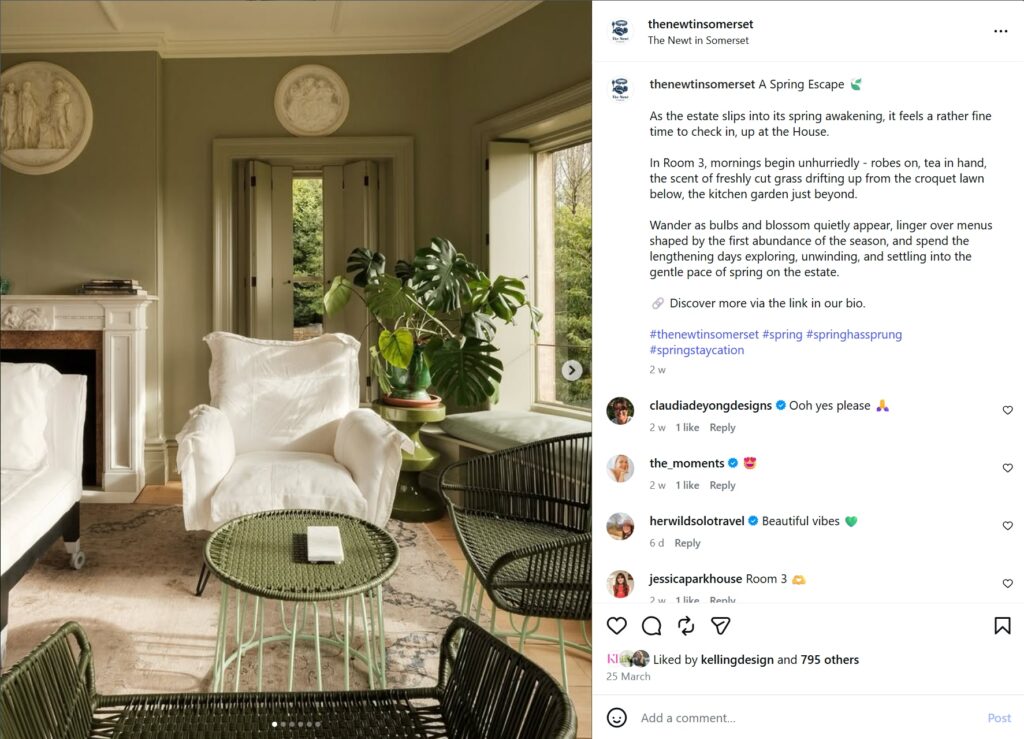
Don’t just post pictures – craft narratives. In your social media captions, invite someone to experience dining at your restaurant by blending evocative descriptions with subtle call to actions.
Instead of saying
“dine by the lake”
say something like:
“let the stillness of the lake soothe your senses as you savour each bite of your chef-curated meal as the sun sets over Geneva”
It’s this kind of narrative that places your followers into the scene and makes them feel, no matter how briefly, like they’re already there.
Alongside food and interior photography, don’t forget to share glimpses of the human experience such as a couple toasting champagne to celebrate their anniversary or a family enjoying a traditional Sunday roast on a winters day. These scenes allow your followers to see themselves being a part of these moments.
Remember That Social Media Is A Two-Way Conversation
Sometimes restaurants forget that social media is a two-way street. Social media is the perfect place to connect with your audience, not just to communicate your latest news. One of the most effective ways to connect is simply to invite them in.
- Ask questions in your captions such as “Where would you sip your morning coffee here?” or “If you were joining us for Sunday lunch, what meat would you choose?”. These are small invitations that turn passive scrollers into active participants.
- Use your Stories for polls, sliders and Q&A sessions. They’re fleeting, low-stakes and a wonderful way to build the kind of daily familiarity that keeps your brand top of mind when someone is deciding where to book.
- Respond to comments and DMs with the same warmth you’d extend to a guest at the door. Your voice online is an extension of your hospitality and deserves the same care and attention.
What To Avoid
When writing copy for your social media, avoid aggressive sales language, excessive exclamation marks and anything that sounds written to fill space rather than to say something meaningful. Less is more and your tone should feel like a quiet whisper.
Spark Intrigue And Curiosity With Meta Ads
Your organic feed builds familiarity and deepens loyalty with the people who already know you. Meta Ads do something different by introducing you to people who don’t yet know you exist. On Instagram and Facebook, paid advertising allows you to reach beyond your current following and place your restaurant in front of precisely the right local audience at precisely the right moment.
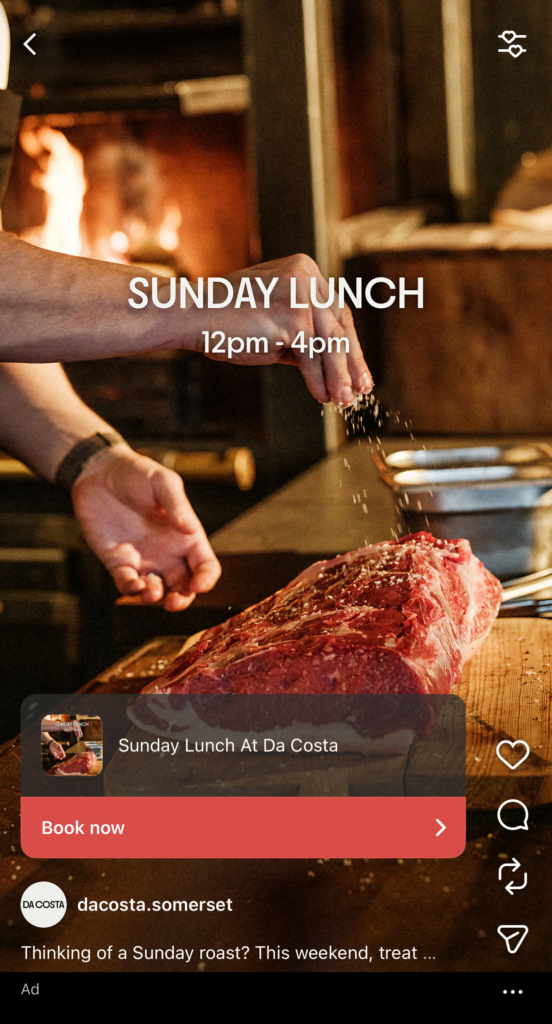
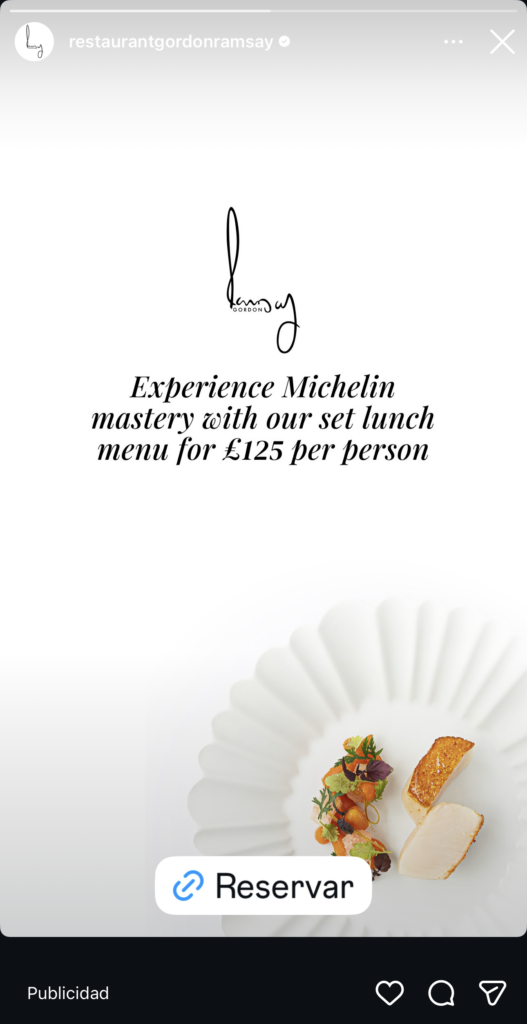
Used well, Meta Ads are particularly effective for promoting seasonal events, tasting menus and exclusive experiences — the kinds of occasions that benefit from a little advance anticipation. The key word, though, is well. A poorly considered ad can undo the careful brand-building you’ve done everywhere else. Your ad creatives should feel like a natural extension of your feed and should carry the same aesthetic, tone and standard of imagery.
For each campaign, plan for two to three ad creatives — that is, individual ads in image or video format, each with a clear and considered call to action. When someone clicks, they should be taken to a page on your website where they can learn more and make a reservation. Think of the journey from ad to booking as its own guest experience where every step should feel seamless and intentional.
In your ad creatives, include:
- High-quality photography (food, interiors, atmosphere)
- Short-form video (behind-the-scenes, plating, ambience)
- Clean, well-designed graphics (event details, dates, pricing)
A few practical notes worth keeping in mind. Turn off all AI enhancements within Meta’s ad platform. While they can feel convenient, they tend to reduce the authenticity of your creative and can make ads feel less trustworthy, which is the last impression a luxury brand wants to leave. Set your targeting to a local or desired audience. For most restaurants, a daily budget of £5–£15 is sufficient to run an effective local campaign without overextending.
The same principle that governs your organic content applies here too: quality over quantity, always.
Conclusion
The social media of a luxury restaurant should feel aspirational with a quiet, considered presence that makes someone stop mid-scroll and think: I want to be there. To do that, it must make deliberate choices about its imagery, language, tone and engagement to make someone feel like they want to be there.
The information from this blog post has been extracted from my free, downloadable resource called The Marketing Blueprint For Restaurants by Alicia Wainhouse, an in-depth guide covering everything from brand aesthetics and social media to email marketing and beyond. If you found this useful, I’d encourage you to download it and read it in full.

